Rinsing your dishes before tossing them in the dishwasher might seem like an extra chore, but it can make a big difference in how clean your dishes come out. When you give those plates a quick rinse, you're removing food particles, sauces, and grime that can cling to surfaces. This helps your dishwasher work more efficiently, so you don’t end up with spots or residue after the wash.
Think about it: your dishwasher’s job is to clean, but it can only do so much if it’s tackling large bits of leftover food. If those chunks get stuck in the spray arms or filters, it can lead to poor cleaning results. A simple rinse can keep everything flowing smoothly and helps prevent any clogs.
Also, let’s talk about odors. Leaving remnants of last night's dinner on your dishes can make your dishwasher smell funky. A quick rinse can help keep everything fresh and pleasant. You want your plates to smell like clean dishes—not yesterday’s pizza!
Finally, in some cases, rinsing can actually save you time. If you’ve ever had to run a second cycle because your dishes didn’t get clean the first time, you know how frustrating that can be. A quick pre-rinse may help eliminate that hassle and keep your dishwashing routine running smoothly.
The Best Rinsing Techniques to Use
Rinsing your dishes before tossing them in the dishwasher can save you time and energy. Here are some of the best rinsing techniques to make sure your dishwasher runs smoothly and your dishes come out sparkling clean.
First up, give those plates a quick rinse under warm water. This helps remove larger food particles that could clog up your dishwasher's filter. Just a few seconds is usually enough. If you've got baked-on or sticky stuff, let the dishes soak in warm water for a few minutes first to loosen everything up.
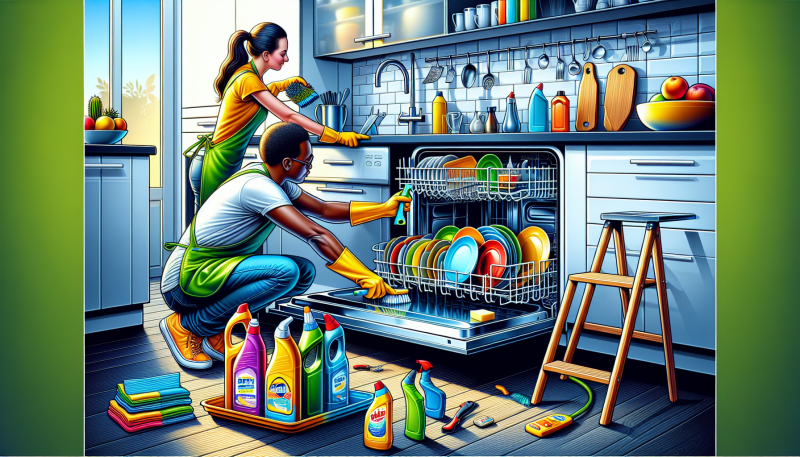
If you're dealing with pots and pans, use a scrub brush to get rid of the tough bits. A little elbow grease goes a long way! Just be careful not to use anything too abrasive that could scratch your cookware. Remember, the goal is to make it easier for the dishwasher to do its job, not to clean everything perfectly before you wash them.
Also, keep in mind that not all dishwashers are created equal. Some are designed to handle more debris than others. Check your dishwasher's manual for any specific rinsing recommendations. If you're using a newer model, it might even be able to handle food bits without a rinse.
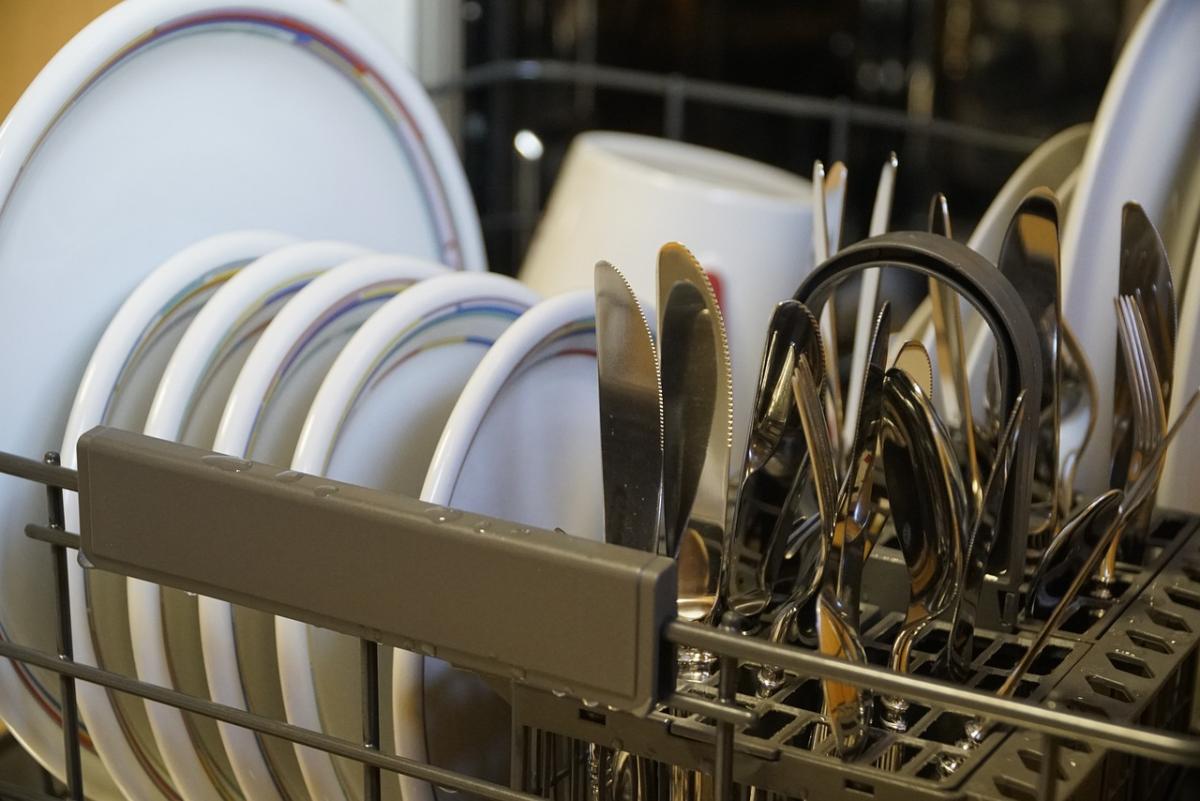
Lastly, try to load your dishes properly. Group like items together and angle them so they get proper water flow. This way, when you rinse, you’re making it easier for the dishwasher to do its thing and leave your dishes spotless!
When Rinsing is Not Necessary
Sometimes, rinsing your dishes before loading them in the dishwasher isn’t needed at all. Many modern dishwashers are equipped with awesome technology that can handle the gunk. If you’ve got a good machine, it can break down food particles like a champ without any rinsing. Just scrape off the big chunks, and you’re good to go!
It’s also worth noting that rinsing can actually mess with your dishwasher’s performance. The machine relies on food residue to help activate the detergent. When you rinse, you’re removing that residue, which means your dishes could end up coming out less clean than expected. So, skip the rinse and let the dishwasher do its magic!
Another point to consider is that rinsing can waste water. If you want to be eco-friendly, let your dishwasher handle the cleaning instead of running the tap unnecessarily. It’s better for the planet and saves you time, too.
Just remember, if you’re dealing with sticky sauces or dried-on food, a quick scrubbing might help. But most of the time, you can trust your dishwasher to take care of things without the pre-rinse. Keep it simple and let your appliance shine!
Tips for Dishwashers and Rinsing
When it comes to dishwashers, rinsing can be a hot topic. Some folks swear by rinsing their dishes before loading them, while others toss them right in. Here are some tips to help you decide what's best for your routine.
First off, if you’ve got a newer dishwasher, you might not need to rinse your dishes at all. Modern machines are designed to handle stuck-on food better than ever. Just scrape off big chunks first and let the dishwasher work its magic. This saves you time and water.
If you’re dealing with really tough, dried-on messes or greasy dishes, a quick rinse might help. Try running your plates under some water before loading them. It can keep your dishwasher from having to work too hard, which could extend its life. Just don’t soak them for too long; that can defeat the purpose of using the dishwasher.
Another thing to think about is your dishwasher detergent. Some brands are made to work best with dirty dishes straight from the table. Check the instructions! If they say no rinsing is needed, take their word for it, and load up those dirty dishes!
Lastly, pay attention to your dishwasher’s filter. If you skip rinsing, food bits can build up over time, making your dishwasher less efficient. Clean the filter regularly, and you’ll keep your machine running smoothly, no matter how you choose to load your dishes.